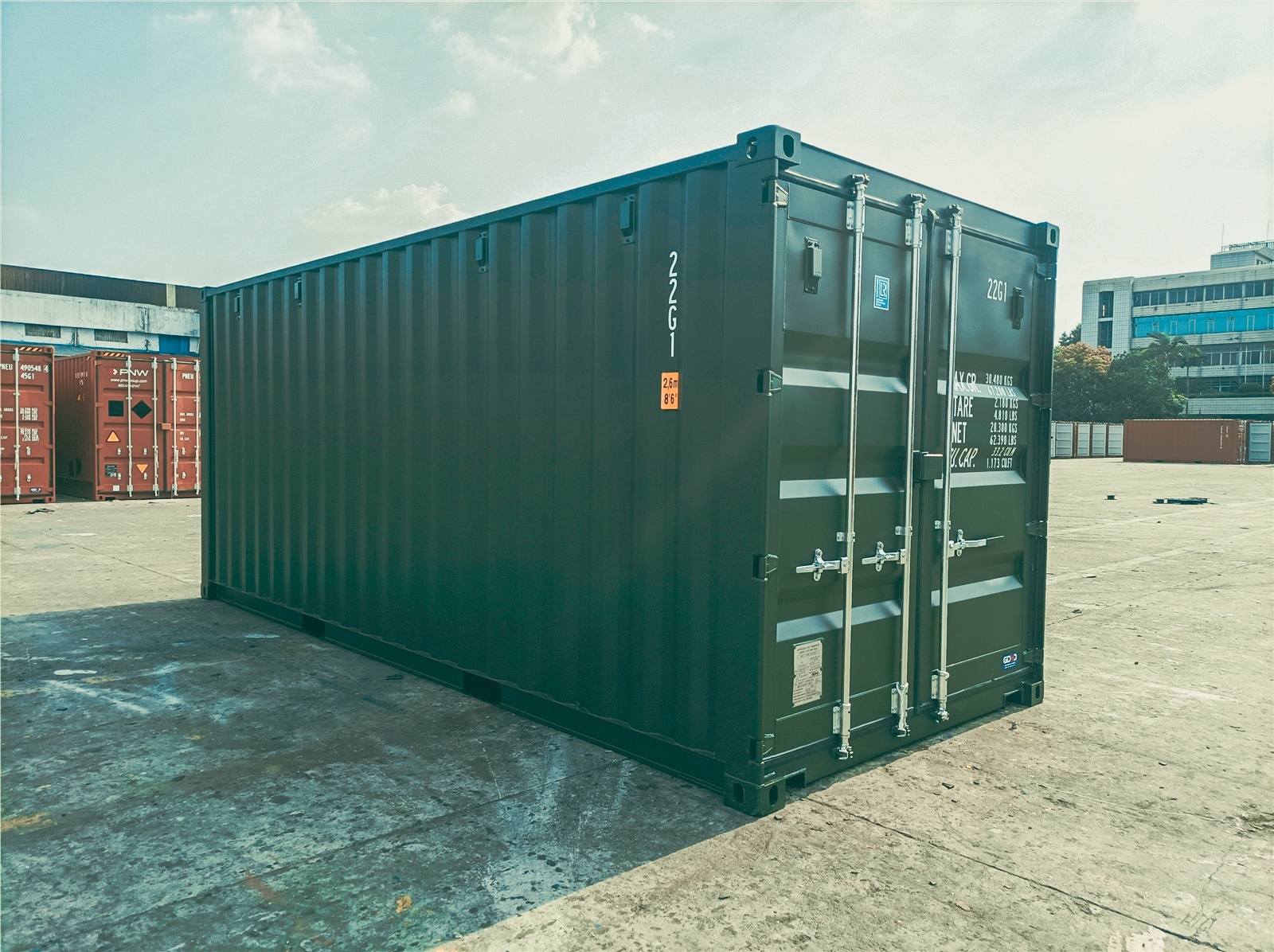
 20ft standard
20′ × 8′ × 8′6″160 sq ft*
Tools, household storage & smaller sites
A smaller footprint; leave extra space to open the doors.
Advertised used · WWT$2,097 + deliveryShipped.com · Nov 6, 2026
Check 20ft priceOpens Shipped.com
Compare 20ft, 40ft, and high-cube storage containers, also called conex boxes. Check prices, local placement rules, and delivery to your address.
Used container price snapshots. Recorded Nov 6, 2026 from Shipped’s Seattle, WA page (nearest published market, 12 mi from SeaTac). Check the supplier for today’s stock and price.
20ft standardA smaller footprint; leave extra space to open the doors.
 40ft standard
Twice the external floor area of a 20ft container.
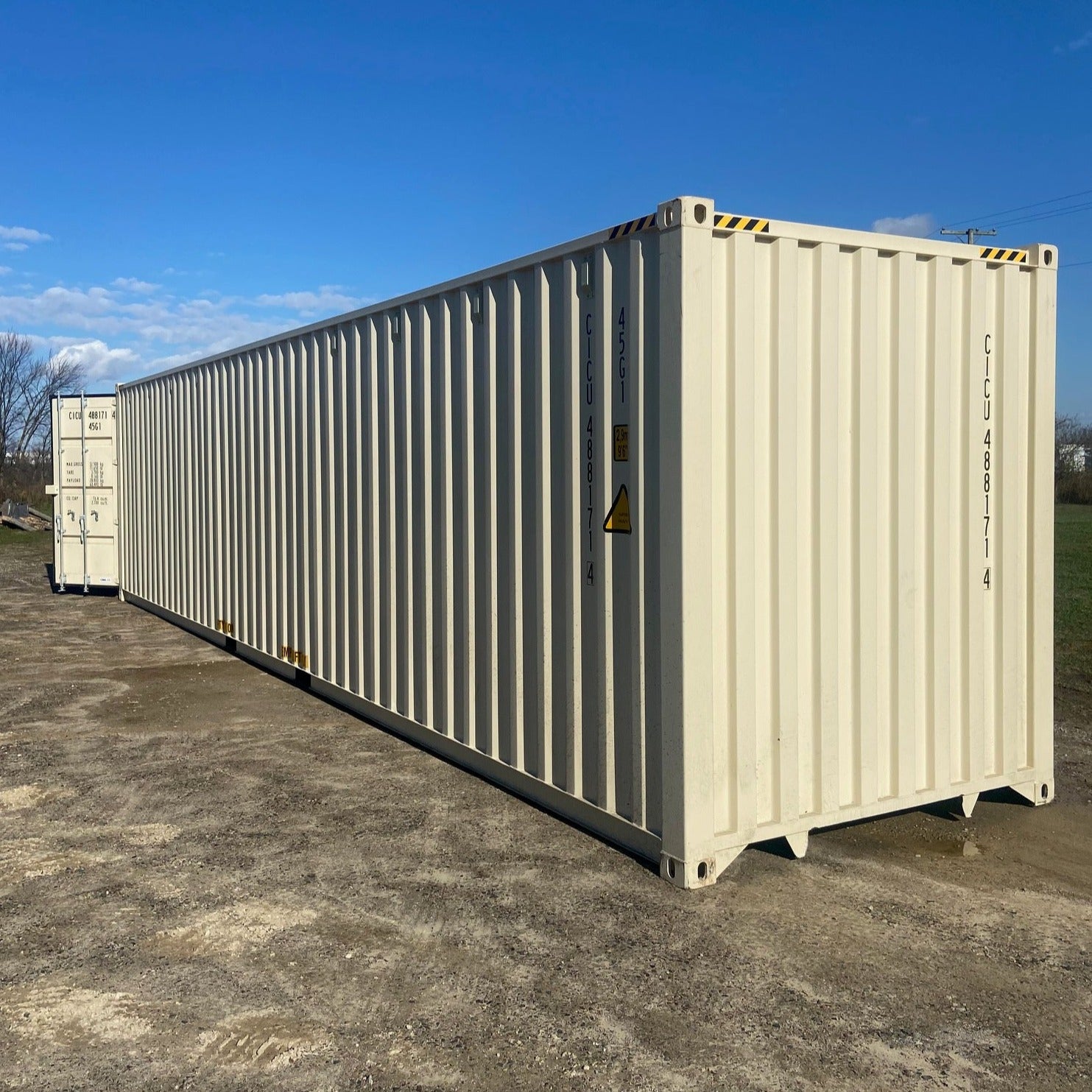 40ft high cube
The same footprint as a 40ft, with an extra foot of height.
Illustrative container photos, not units offered for sale. *External footprint; interior dimensions are smaller. Color, condition, and availability vary.
Give both suppliers the same size, condition, delivery address, and required date.
| Supplier | What to compare | Price & terms | Next step |
|---|---|---|---|
| SHIPPEDOur supplier notes ↗ | 20ft, 40ft & high cube Used grades and other configurations | Published city prices below. Delivery and taxes are additional. | Check Shipped prices |
| EVEONOur supplier notes ↗ | 20ft, 40ft & high cube Used containers; check one-trip options | Enter your ZIP for a comparable price and transport charge. | Check Eveon prices |
These are Shipped’s advertised unit prices, not delivered quotes or a lowest-price claim.
| Size | Wind & watertight | Cargo worthy | Delivery + tax |
|---|---|---|---|
| 20ft standard | $2,097 | $2,097 | Quoted for your address |
| 40ft standard | $2,097 | $2,197 | Quoted for your address |
| 40ft high cube | $2,197 | $2,297 | Quoted for your address |
Source: Shipped’s Seattle, WA price list · Checked Nov 6, 2026. Read Shipped’s grade definitions.
The same base price for twice the footprint. In this Seattle, WA snapshot, Shipped’s used 40ft WWT unit has the same base price as its 20ft. Check the delivery difference and available unloading space before upsizing.
Storage for a project or a season. Compare the whole rental period, including delivery and collection. Availability is address-specific.
20ft standardA smaller footprint; leave extra space to open the doors.
40ft standardTwice the external floor area of a 20ft container.
40ft high cubeThe same footprint as a 40ft, with an extra foot of height.
Illustrative container photos, not units offered for sale. *External footprint; interior dimensions are smaller. Color, condition, and availability vary.
Give both suppliers the same size, condition, delivery address, and required date.
| Supplier | What to compare | Price & terms | Next step |
|---|---|---|---|
| SHIPPEDOur supplier notes ↗ | 20ft & 40ft storage rentals Confirm the exact size and condition | Get the monthly payment, minimum term, delivery and pickup together. | Check Shipped rentals |
| EVEONOur supplier notes ↗ | 20ft, 40ft & high cube Wind & watertight storage rentals | Published 3-month commitment. FAQ and rental terms differ on upfront payment and cancellation notice; confirm the agreement. | Check Eveon rentals |
Compare delivery, condition & supplier terms ↗
Rental terms: Eveon’s rental FAQ and rental agreement terms · Reviewed Nov 10, 2026. Confirm the current agreement before ordering.
Monthly payments toward ownership. Compare the complete agreement against buying. We cover one rent-to-own supplier; this is not a whole-market comparison.
20ft standardA smaller footprint; leave extra space to open the doors.
40ft standardTwice the external floor area of a 20ft container.
Illustrative container photos, not units offered for sale. *External footprint; interior dimensions are smaller. Color, condition, and availability vary.
Compare Shipped’s ownership agreement with an outright purchase using the same size, condition, and delivery address.
| Supplier | What to compare | Price & terms | Next step |
|---|---|---|---|
| SHIPPEDOur supplier notes ↗ | Used 20ft & 40ft plans Confirm title-transfer terms | Get the full payment count, total cost, upfront fees and early-buyout amount. | View Shipped terms |
Yardbox is an independent comparison guide, not a container seller. Supplier links open their websites. How these links work ↗
Build a purchase budget from an advertised container price. Add the charges from your quotes. A blank amount stays unknown; enter $0 only when a cost does not apply.
Starting prices: Shipped’s SeaTac list ↗, checked Nov 6, 2026. No contact details are collected or sent. Compare all city price snapshots ↗
In SeaTac, you generally cannot keep a rented shipping container at a house. Ordinance 26-1011 (adopted May 12, 2026) carves out short household-moving pods and containers on a site with an active building, grading or demolition permit. On business and mixed-use land, a container can stay 30 days without a permit; longer needs a Temporary Use Permit.
eCode360 lists Ordinance 26-1011, adopted May 12, 2026, as adopted but not yet folded into the online code. It replaces most of Chapter 15.410 and removes the cargo-container row from the use chart. The posted code pages still show the older text. Ask the Permit Center which version governs your application. [5] [4] [1]
These rules apply only inside SeaTac city limits. Check your parcel and zoning district on the city's zoning map before relying on a SeaTac mailing address. The zone matters: the codified chapter is written for the CB, CB-C, RBX and I business zones, while Ordinance 26-1011 applies citywide. New standards also keep containers out of critical areas and their buffers, and work within 200 feet of Angle Lake falls under shoreline review. [13] [1] [4] [12]
Ordinance 26-1011 says portable moving or relocation units used for short-term household moves are not regulated as cargo containers. They still cannot block fire lanes, public right-of-way or emergency access. Leaving one more than 30 consecutive days may be treated as a nuisance or obstruction. A long-term storage box at a house is a different matter: the city says cargo containers are not allowed on residential properties. Next step: Book a short household-move unit only, keep it on your own driveway, and have it collected within 30 days. [4] [6]
A container used only for construction storage on a site with an active building, grading or demolition permit needs no Temporary Use Permit. That exemption covers residential sites too. It may stay for the life of the permit and must go at final inspection, certificate of occupancy or permit expiration, whichever comes first. The Director may relax screening and setback-related placement for these containers, but fire-access rules always apply. Next step: Get the building, grading or demolition permit first, then schedule removal for final inspection. [4] [7]
On nonresidential and mixed-use land, a temporary container can stay 30 days or fewer without a permit. Longer stays need a Temporary Use Permit, and permitted containers must be screened with fencing, panels or fabric of at least 75% opacity. Containers cannot be stacked, used for human occupancy, run as self-storage, or be the site's only use. A permanent container is allowed only on a nonresidential site in the Industrial (I) zone, on a foundation and under a building permit. Next step: Plan for 30 days, or apply for a Temporary Use Permit about 30 days before delivery. [4] [8] [7]
SeaTac makes it unlawful to use public right-of-way privately without a city right-of-way use permit. Short uses of 72 hours or less fall under Class A or B; anything longer is a Class D permit, and uses over 180 days need a revocable use agreement. Apply at least 15 days ahead. The city charges its actual costs and may require a deposit. The ROW pages do not list a storage-container category, so Engineering Review will classify your request. Next step: Keep the box on private property if you can; otherwise apply for a ROW permit at least 15 days out. [9] [10] [11] [4]
A multi-month steel-box rental fits SeaTac only where the code gives you a time window that long. Shipped and Eveon publish three-month minimums, but a business site gets 30 days before a Temporary Use Permit is needed, and a construction container must leave when the building permit closes out. For a home storage plan with no building permit, a rental is the wrong tool in SeaTac. Line up the city's approval and a pickup date before you pay.
Look up the parcel on the city's zoning map. A residential zone or a lot with a home on it rules out a storage container except for a moving pod or permitted construction. Business and industrial zones follow the 30-day and TUP rules. [13] [4]
SeaTac zoning code and mapsCall the Permit Center at 206-973-4750 or email seatacplanning@seatacwa.gov. Give the address, zone, container size, use and dates. Ask whether Ordinance 26-1011 governs and whether you need a Temporary Use Permit. [12] [13] [5]
SeaTac Permit Center contactA business-site container staying over 30 days needs a TUP: upload a scaled site plan, narrative with dates, owner authorization and criteria response about 30 days ahead. Street placement needs a ROW permit at least 15 days ahead. Then match the supplier's pickup date to the permit end date. [14] [8] [11] [15] [16] [17]
SeaTac permits and checklists“I’m considering a container placement in SeaTac at [address / parcel]. It is [size], for [use], for [duration], in the location on this sketch. Which zoning, building, and street-use approvals apply?”
This guide identifies questions and official resources. The responsible authority must confirm the requirements for your project.Show the gate, tight turns, overhead obstructions, ground surface, and final door direction. Ask for approval of the full route before setting a delivery date.
Planning figures from Shipped’s delivery guidelines. These are supplier-specific; your dispatcher must confirm the truck and site.
Not at a home. The use chart says cargo containers are not permitted as accessory to dwelling units, and the city's accessory-structure handout says they are not allowed on residential properties. A container used for anything other than shipping goods counts as a structure under the code. Ordinance 26-1011 keeps the home ban, with exceptions for short household moves and permitted construction. [2] [6] [3] [4]
On nonresidential or mixed-use land, not for 30 days or fewer under Ordinance 26-1011. Past 30 days you need a Temporary Use Permit through the LAMA portal. Construction containers tied to an active building, grading or demolition permit are exempt from the TUP. [4] [8]
Yes, for a short household move. Ordinance 26-1011 exempts moving and relocation units from the cargo-container chapter. They cannot block fire lanes, emergency access or public right-of-way, and staying over 30 consecutive days may be enforced as a nuisance. [4]
Only with a city right-of-way use permit. Uses of 72 hours or less are Class A or B; longer non-disturbing uses are Class D. Apply at least 15 days ahead and expect cost-recovery charges and possibly a deposit. [9] [10] [11]
Under Ordinance 26-1011, permanent containers are allowed only on nonresidential sites in the Industrial (I) zone. They need a foundation or engineered base, accessory-structure setbacks and any required building permit. Elsewhere, containers are temporary only. [4]
Shipped’s published Nov 6, 2026 snapshot for Seattle, WA, the nearest market with a published price list, lists a used 20ft wind-and-watertight container at $2,097 and a used 40ft standard at $2,097. These are container-only advertised prices. Request a current quote with the delivery address, tax, condition, and all fees. Check the source price list and compare Eveon using the same specification.
No. Yardbox is a comparison guide. We do not own a depot or hold inventory. Ask the supplier for the actual transport origin, current stock, and whether customer pickup is possible. A city listing does not establish a pickup address.
Compare the supplier’s written condition definitions and remedy, not only the abbreviation. Ask for floor, roof, door-seal, and interior photos or inspection details. If the container will carry freight, confirm the required certification separately. See Shipped’s grade descriptions or read our used-container checklist.
Reviewed Nov 10, 2026. We prioritize official planning, transportation, and code resources. Supplier facts are attributed separately; we have not inspected local inventory.
Browse all city prices or compare supplier terms before requesting a quote.